dining Martina Franca dining and first-night plan
A dining guide for capocollo context, old-town dinner pressure, festival nights, and countryside stays.
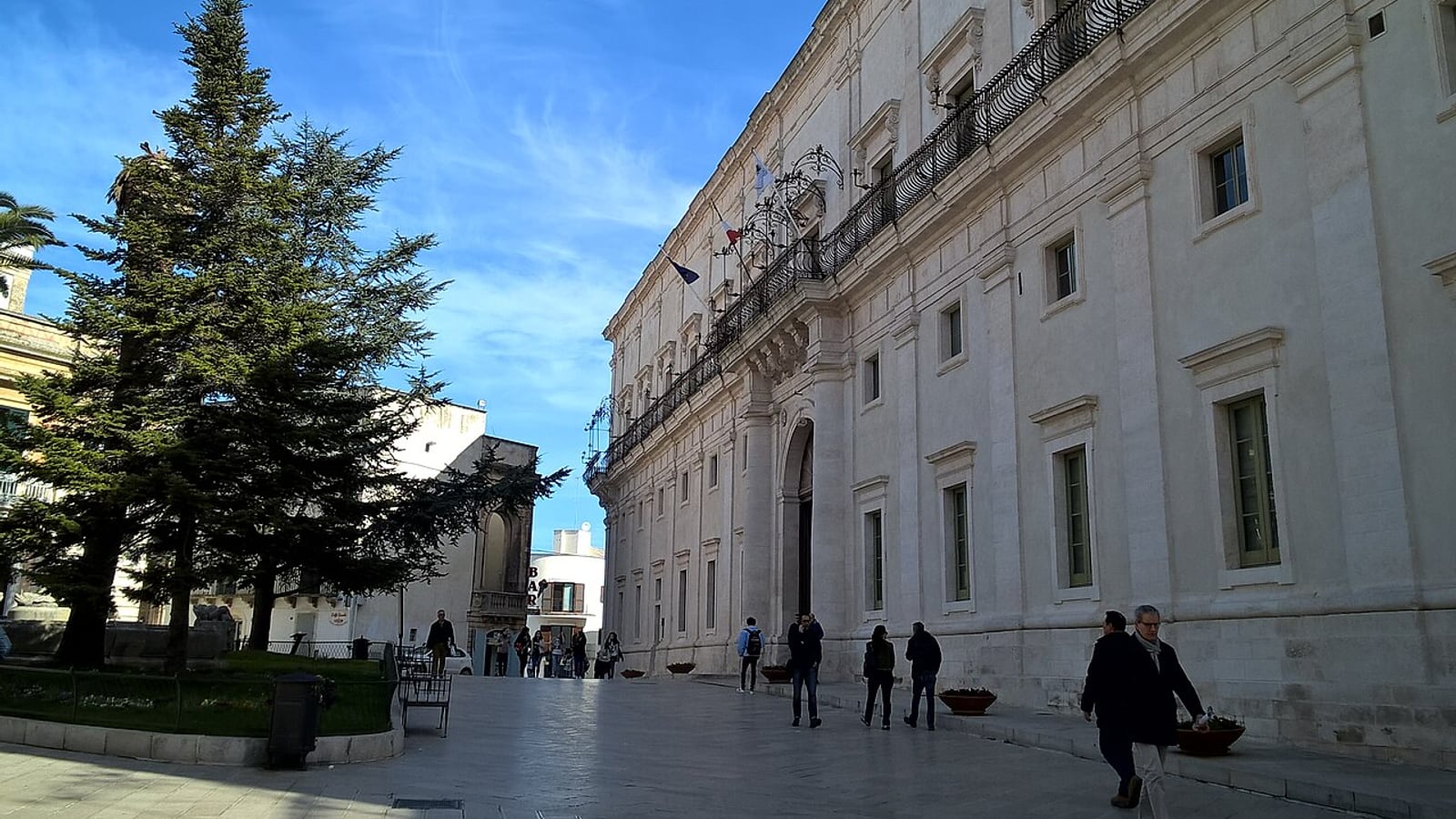
Photo:
original image
by Caterina Castellana,
CC BY-SA 4.0.
Fast answer
For a first Martina Franca dinner, start with a walkable old-town plan rather than a restaurant list. Use capocollo as the local food context, Piazza Maria Immacolata as the evening movement area, and the first-night dinner decision as a practical check after arrival. Festival nights need separate planning, and countryside or masseria dinners only make sense when the venue, booking, route, driver or taxi, return timing, and seasonality are confirmed.
If you only do one thing
Default to an old-town dinner plan you can confirm close to travel for venue, hours, booking, menu, allergens, table timing, weather, events, and parking. Treat capocollo as context, not a promised dish, and move dinner to a masseria or countryside setting only when transport and return logistics are already solved.
Compare relevant booking options ↓ Use capocollo as context, not a venue list
Capocollo gives Martina Franca dinner a real local reason to exist, but it should not turn the guide into a claim about which restaurant, butcher, producer, or menu is best. Use it as food identity: the reason to ask better dinner questions, not the answer by itself. Before relying on it, check whether the specific venue is open, whether the item is actually available, and whether booking, allergens, producer status, and seasonal service fit the travel dates.
Let Piazza Maria Immacolata keep dinner walkable
Piazza Maria Immacolata is useful because it keeps the dinner decision inside the old-town evening rather than sending travelers back into logistics. Treat it as a movement area around the central streets, not as a verified restaurant cluster. The practical question is whether the evening can stay compact: reservations, current opening hours, lighting, crowds, weather, events, and the route back to the stay need checking before the piazza becomes the dinner plan.
Keep the first night close when arrival has friction
The first dinner should protect the trip from extra work. If the day already includes driving, rail timing, luggage, parking, or a late arrival, dinner should stay close to the old-town route until live details prove otherwise. This is especially true in Martina Franca, where old-town atmosphere and practical access can pull in opposite directions. Check parking, traffic rules, booking windows, current hours, weather, and the return walk before committing to a table.
Treat festival evenings as a different plan
Festival or performance nights can make Martina Franca feel more compelling, but they can also change the dinner calculation. A normal evening plan should not be reused blindly when programmes, tickets, performance locations, road closures, crowd pressure, parking, and transport may all shift. Use the festival layer as an early warning: check current official information, keep dinner flexible, and avoid assuming that ordinary opening hours or easy movement will hold.
Choose countryside dinner only when the return is solved
A masseria, countryside restaurant, or winery dinner requires different logistics from a walkable old-town first night. It can work for car-led stays, rural atmosphere, and a slower evening, but only when the venue, booking, route, parking, driver or taxi option, alcohol plan, return timing, and seasonal service are confirmed. If those details are uncertain, keep the first dinner in town and save the countryside plan for a better-prepared night.